• Delivers N-acetyl-carnosine topically to eye tissues not easily reached by oral supplements, targeting the areas that matter most.
• Proven to improve visual acuity in age-related cataracts and reduce glare for clearer, safer everyday vision.
• Uses a proprietary NAC eye drop formula in convenient disposable vials to maintain sterility and minimize infection risk.
• 5 ml bottle size, imported from Singapore, supporting quality and consistent dosing.
Popular Searches
Top Brands
Available in store
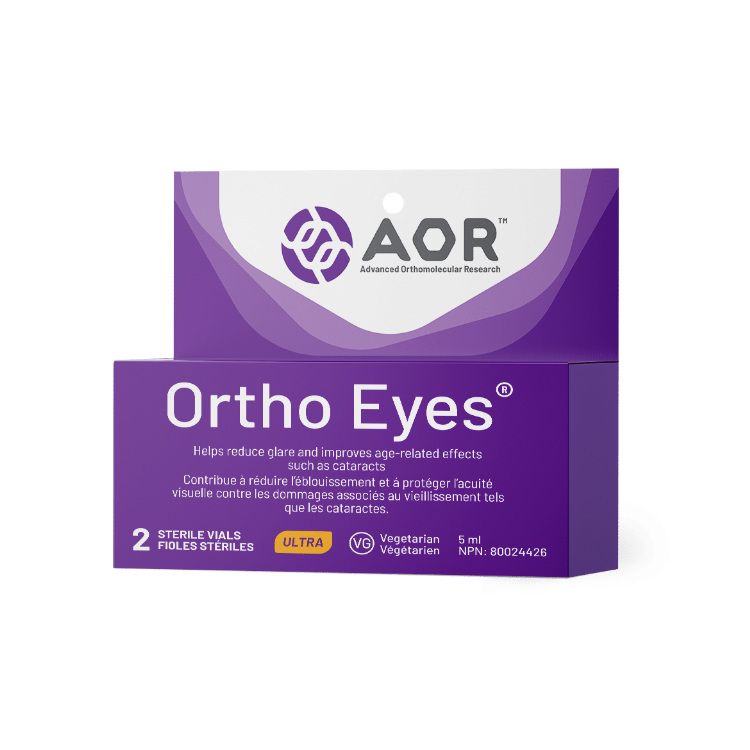
AOR, Ortho Eyes, 5ml
Size
5
ml
UPC
624917042498
Best Before
02/2028
42 people have viewed this item in the last 7 days
About this item
Suggested Use
Instill two drops in each eye twice per day, or as directed by a qualified health care practitioner.
Ingredients
Two Drops Contain:
N-Acetyl-carnosine (NAC)
600
mg
Non-medical Ingredients:
Sterile water (ophthalmic grade isotonic solution pH 6.3 to 6.4), glycerin (lubricant), citric acid, boric acid, hypromellose, potassium bicarbonate, benzyl alcohol (preservative)
Description
Ortho Eyes® utilizes N-acetyl-carnosine, applied topically as eye drops, in order to penetrate into areas of the eye that are not as usually reached by regular oral carnosine supplements. It has been proven to improve the visual acuity of people suffering from age-related cataracts. It also reduces glare problems in elderly drivers. N-acetyl-L-carnosine helps reduce the build-up of aging proteins in the eyes and can contribute to age-related eye conditions.
AOR’s Ortho Eyes® provides a topically absorbable form of carnosine. In order to ensure proper delivery to the eye these eye drops are conveniently sold in disposable vials to prevent infection and ensure safety.
- Helps improve visual acuity against age-related eye conditions such as cataracts
- Improves visual clarity, reducing glare
- A proprietary eye drop containing N-acetyl-carnosine, imported from Singapore
Frequently Asked Questions
What is AOR Ortho Eyes and what condition is it designed to address?
AOR Ortho Eyes is a 5 ml ophthalmic eye drop solution containing N-acetylcarnosine (NAC) at 600 mg per two drops (approximately 1% concentration in sterile isotonic solution). It is designed to address age-related cataracts by delivering N-acetylcarnosine directly to the lens of the eye — an area oral carnosine supplements cannot effectively reach. Clinical use has shown improvements in visual acuity and reduced glare in individuals with age-related cataracts. NPN 80024428.
How does N-acetylcarnosine in Ortho Eyes work to support eye health?
N-acetylcarnosine is an acetylated form of carnosine that penetrates the lipid-rich aqueous humor and lens of the eye more effectively than carnosine itself. Inside the eye, it is converted to free carnosine, which acts as an antioxidant — neutralising reactive oxygen species that accumulate in the lens with age, contributing to protein cross-linking and cloudiness (cataract formation). By reducing oxidative protein aggregation, NAC eye drops may slow lens clouding and improve optical clarity. The formula also contains glycerol as a lubricant and HPMC (hydroxypropyl methylcellulose) for viscosity.
Who can benefit from AOR Ortho Eyes, and how should it be used?
Ortho Eyes is most appropriate for adults over 50 with early- to moderate-stage age-related cataracts who want a non-surgical supportive option, or those experiencing glare sensitivity during night driving. Apply two drops to each affected eye twice daily. AOR packages the solution in single-use vials to prevent contamination — open one vial at a time and use within 30 days. Not recommended for children under 12. Discontinue use and consult a physician if irritation, redness, or discomfort increases.
How does AOR Ortho Eyes compare with other eye drop products for cataract support?
Ortho Eyes is one of the very few Health Canada NPN-registered N-acetylcarnosine eye drops available in Canada, distinguishing it from unregistered imported products of uncertain quality. AOR uses single-use vials, which are sterile at each opening and eliminate the contamination risk of multi-dose bottles (a significant concern for ophthalmic preparations). The formulation is based on published clinical research on N-acetylcarnosine eye drops for age-related cataracts, providing a documented evidence base that most competing natural eye drops (such as those relying on lutein or bilberry) do not offer for cataract-specific outcomes.
What is AOR (Advanced Orthomolecular Research) and are its supplements safe in Canada?
AOR, short for Advanced Orthomolecular Research, is a Calgary, Alberta-based supplement brand founded in 1991 by Dr. Traj Nibber, PhD. Built on the orthomolecular medicine principles of Nobel laureate Linus Pauling — the right molecule, in the right dose, at the right place and time — AOR products are manufactured in a cGMP-compliant facility in Alberta and all carry Health Canada Natural Product Numbers (NPN). Raw materials are independently tested in ISO-certified laboratories for purity, potency, and safety. Products are commonly recommended by naturopathic doctors and integrative healthcare practitioners across Canada.
What makes AOR different from other supplement brands?
AOR's real distinction is its orthomolecular research model: rather than formulating to meet basic RDAs, AOR targets functional, clinically studied dosing levels — and has a track record of introducing compounds to the Canadian market before they became mainstream, including D-ribose, R-lipoic acid, and strontium citrate. AOR also consistently chooses bioavailable ingredient forms over cheaper alternatives: methylated B vitamins (methylcobalamin, L-5-MTHF) instead of cyanocobalamin; chelated magnesium bisglycinate instead of magnesium oxide. This research-first approach, developed in close collaboration with naturopathic doctors, is what separates AOR from brands that replicate popular formulas at lower cost.
The information provided above is for reference purposes only and has not been reviewed or approved by Health Canada. It does not constitute medical advice and should not replace consultation with a qualified healthcare professional.
Caution
To avoid contamination, do not touch tip of the container to your eyes or any other surface. Replace the cap immediately after using. Open only one container of solution at a time. Do not allow other people to use your container. Once open, discard container and any contents after 30 days. Do not heat beyond room temperature; keep the extra container in the box away from light, especially sunlight. Do not use if seal is broken or if solution changes colour or becomes cloudy. Not recommended for children under the age of 12. Application may cause temporary irritation of the eye. If the eye tissue becomes more inflamed, red, irritated or uncomfortable after using this product, or if the condition worsens or persists for more than 72 hours, discontinue use and consult a physician. Keep this and all drugs out of the reach of children. Use before expiration date marked on container.
Disclaimer
You should not use the information or services on this Site to diagnose or treat any health issues or for prescription of any medication or other treatment.
Always check the product label or packaging prior to using any product. If there are discrepancies, customers should follow the information provided on the product label or packaging.
AOR, Ortho Eyes, 5ml
Size
5
ml
UPC
624917042498
Best Before
02/2028
42 people have viewed this item in the last 7 days
$62.99
Quantity
Not enough inventory in stock
Purchase limit exceeded
In-Store Purchases
In stock at LIFEPLUS Natural Health
#1825 - 4720 Mcclelland Rd, Richmond, BC
Free in-store pickup available
Ready by
Tomorrow, Oct 5
⏱️
Shipping Options
Available to ship
Estimate Ship Date
Tomorrow, Oct 5
⏱️
Metro Vancouver
Free Shipping Over $69
Within Canada
Free Shipping Over $99
United States
Mainland China
Starting from $9
Related Products
-
-
-
$7.95
-
-
-
-
-