• A traditional herbal blend featuring senna leaves and orange peel to support digestion and promote gentle, regular bowel movements, in a refreshing lemon flavor and caffeine-free.
• Based on a classic Chinese medicine formula inspired by Li Shizhen's Detailed Outlines on Chinese Herbs, offering a time-honored natural approach to dietary wellness.
• Convenient 30-tea-bag pack for easy daily use, helping you stay on track with your wellness routine.
• Caffeine-free and lemon-flavored, making it a tasty, anytime tea for caffeine-sensitive lifestyles.
Popular Searches
Top Brands
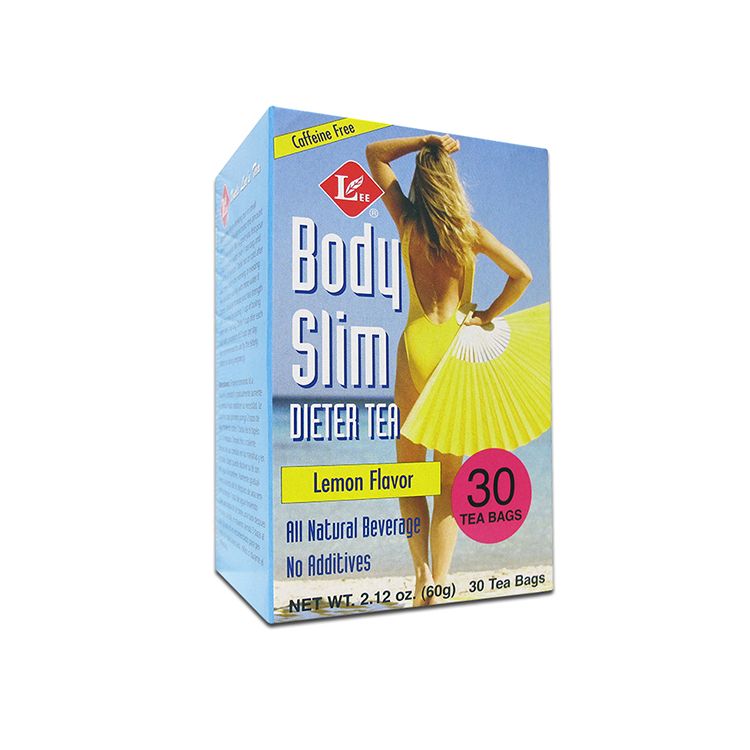
Uncle Lee's, Body Balance Lemon Dieter Tea, 30 Bags
Size
30
packets
UPC
049606299326
Best Before
04/2028
37 people have viewed this item in the last 7 days
About this item
Suggested Use
Begin drinking tea in small amounts and gradually increase the amount to suit your needs. We suggest you first pour 2 cups of boiling water over 1 tea bag and cover for 2-3 minutes. Drink hot or cold after your meals and in the morning or evening. You can dilute your tea with more water if desired. Gradually increase your tea strength after one week by pouring 1 cup of boiling water over 1 tea bag. Drink 1 cup after each meal with a maximum of 3 cups per day. (Not recommended for use by the elderly, children or during pregnancy).
Ingredients
Each packet contains:
Cassia augustifolia (senna leaves)
1360
mg
Orange peel
420
mg
Non-medical Ingredients:
Blackberry leaves, chicory root, licorice root, natural lemon flavor.
Description
Uncle Lee's Body Slim Dieter Tea is blended with the premium natural herb and spices. The formula and preparation are based on an old Chinese book of medicine, "Detailed Outlines on Chinese Herbs", by Lee Se-Zhen, 1518-1593. After centuries of use, it has proven to be one of the best healthy beverages for dieters.
Frequently Asked Questions
What is Uncle Lee's Body Balance Lemon Dieter Tea and what is it used for?
Uncle Lee's Body Balance Lemon Dieter Tea is a caffeine-free herbal tea containing senna leaf 1360mg and bitter orange (Citrus aurantium) 420mg per bag, blended with chicory root and lemon flavour. Rooted in Li Shizhen's 16th-century Bencao Gangmu, it is formulated to support healthy bowel movement and gentle detoxification. Recommended for adults and children 12 and older, with a maximum of 3 bags per day. Not suitable for pregnant or nursing women, or those experiencing diarrhea, loose stools, or abdominal pain.
What are the key ingredients in Uncle Lee's Lemon Dieter Tea and how do they work?
The two active ingredients are senna leaf at 1360mg and bitter orange (Citrus aurantium) at 420mg per bag. Senna leaf contains anthraquinone glycosides that stimulate intestinal muscle contractions, promoting bowel regularity. Bitter orange provides synephrine, which supports digestive function and gentle detoxification. Chicory root acts as a prebiotic to nourish beneficial gut bacteria. The formula is caffeine-free with natural lemon flavour, making it suitable for evening use.
Who is Uncle Lee's Lemon Dieter Tea suitable for and how should it be used?
This tea is suitable for adults and children 12 and older who want gentle, occasional support for bowel regularity and detoxification. Steep one bag in hot water for 3 to 5 minutes; use up to 3 bags per day. It is not suitable for pregnant or nursing women, children under 12, or anyone experiencing diarrhea, loose stools, or abdominal pain. Do not use for more than 7 consecutive days without consulting a healthcare practitioner. If symptoms worsen or persist, discontinue use and seek medical advice.
What makes Uncle Lee's Lemon Dieter Tea different from other herbal detox teas?
Uncle Lee's Tea is a third-generation, 50-plus-year family company based in Southern California with deep roots in traditional Chinese herbalism. The senna and bitter orange used in this tea are sourced from Fujian province in partnership with Tianren and Tianfu tea companies, ensuring traditional-quality sourcing with direct supply-chain relationships. The formula draws directly on Li Shizhen's Bencao Gangmu, one of the most comprehensive classical Chinese medical texts. This combination of verified historical lineage, long-standing supplier partnerships, and caffeine-free formulation distinguishes it from generic herbal detox teas that lack documented sourcing.
What is Uncle Lee's Tea and what is its place in North American tea culture?
Uncle Lee's Tea is a family-run tea company with over half a century of history, spanning three generations. The brand played a foundational role in introducing authentic Asian teas — particularly green teas — to North American consumers at a time when the category was barely known in the West. Based in Southern California, Uncle Lee's sources the majority of its teas from Fujian province, China, working closely with Ten Ren and Ten Fu Tea Company, one of the largest tea producers in the world. What began with signature green teas has expanded into a full catalog spanning black, herbal, and chai blends.
What makes Uncle Lee's Tea stand out among herbal and green tea brands?
Uncle Lee's Tea built its reputation on authentic sourcing from Fujian province — the traditional heartland of Chinese green tea cultivation — and a direct supply partnership with Ten Ren and Ten Fu Tea Company, one of the world's largest and most respected tea producers. This relationship gives Uncle Lee's access to tea varieties, harvest timing, and quality tiers that typical commodity tea blenders cannot reach. As a three-generation, family-owned company that has been bridging traditional Eastern tea culture with North American consumers for over 50 years, Uncle Lee's carries the credibility of longevity and authentic origin in a market filled with mass-produced tea bags.
The information provided above is for reference purposes only and has not been reviewed or approved by Health Canada. It does not constitute medical advice and should not replace consultation with a qualified healthcare professional.
Caution
This tea is not recommended for children under the age of 8, pregnant women, or those currently under doctor's care. Consult physician before using.
Disclaimer
You should not use the information or services on this Site to diagnose or treat any health issues or for prescription of any medication or other treatment.
Always check the product label or packaging prior to using any product. If there are discrepancies, customers should follow the information provided on the product label or packaging.
Uncle Lee's, Body Balance Lemon Dieter Tea, 30 Bags
Size
30
packets
UPC
049606299326
Best Before
04/2028
37 people have viewed this item in the last 7 days
$7.99
Quantity
Not enough inventory in stock
Purchase limit exceeded
In-Store Purchases
Not available for immediate pickup
You can order online and pickup in store.
Free in-store pickup available
Ready by
Tomorrow, Oct 5
⏱️
Shipping Options
Available to ship
Estimate Ship Date
Tomorrow, Oct 5
⏱️
Metro Vancouver
Free Shipping Over $69
Within Canada
Free Shipping Over $99
United States
Mainland China
Starting from $9